

Screenprinting Lines
Small imperfections, whether random or recurring, can undermine the image of the finished product think of a car windshield logo missing a letter, or unreadable controls on a cooktop panel. Automated screen printing quality control makes the biggest difference in the furniture, appliance and automotive sectors, where printing on glass often serves a critical aesthetic or informational function, catching every defect before the product leaves the production line.
Why manual inspection isn’t enough
A printing defect can be tiny, a partially faded letter, a slightly blurred edge, yet still enough to make the product non-compliant. Manual visual inspection struggles to guarantee the same consistency across thousands of pieces a day, especially when production demands fast, repetitive cycles on high-speed lines.
Screen printing quality control: the Deltamax solution
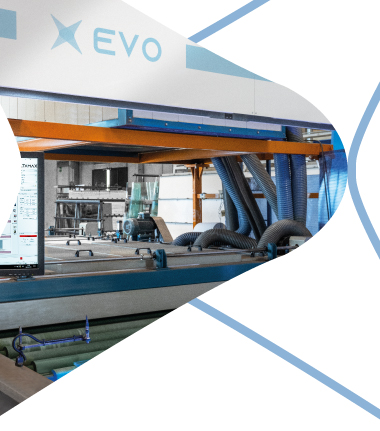
With EVO, Deltamax combines defect detection with dedicated print inspection, verifying every printed logo, icon or control panel alongside checks on shape and dimensions, all within the same inspection cycle, without slowing down production. This integrated approach allows manufacturers to catch printing defects at the same time as other types of non-conformity, reducing the need for separate inspection stations along the line.
The materials behind screen printing
The ceramic enamels applied to automotive glass must also pass specific chemical and thermal resistance tests before tempering: a flawed application compromises both the visual appearance and the long-term durability of the coating. For technical insights, data sheets are published by Fenzi Group, a materials supplier for the sector.
- Furniture
- Appliance
- Automotive